Updated 8 September 2026 · Reviewed by Martin Freiwald
Short answer: Choose a scraping proxy by target difficulty, not by brand. Simple public pages work from datacenter IPs; sites with strong bot defences need residential exits, sticky sessions and careful pacing. Measure success rate on your own targets before you commit to volume, and respect each site's terms. If your goal is website visits rather than data extraction, Traffic Creator is the simpler route.
Key takeaways
- Match the proxy type to target difficulty: datacenter for simple pages, residential for defended ones.
- Measure success rate on your own targets before committing to a volume tier.
- Pacing and session stickiness matter as much as the exit type.
- For website visits rather than data extraction, Traffic Creator needs no proxy setup.
Affiliate disclosure: Some links in this article are affiliate links. We earn a commission if you sign up through them — at no extra cost to you.
The "best" proxy for web scraping depends entirely on what you're scraping. A proxy that's perfect for collecting product pricing from a small retailer will fail completely against Google Search or Amazon's enterprise bot management.
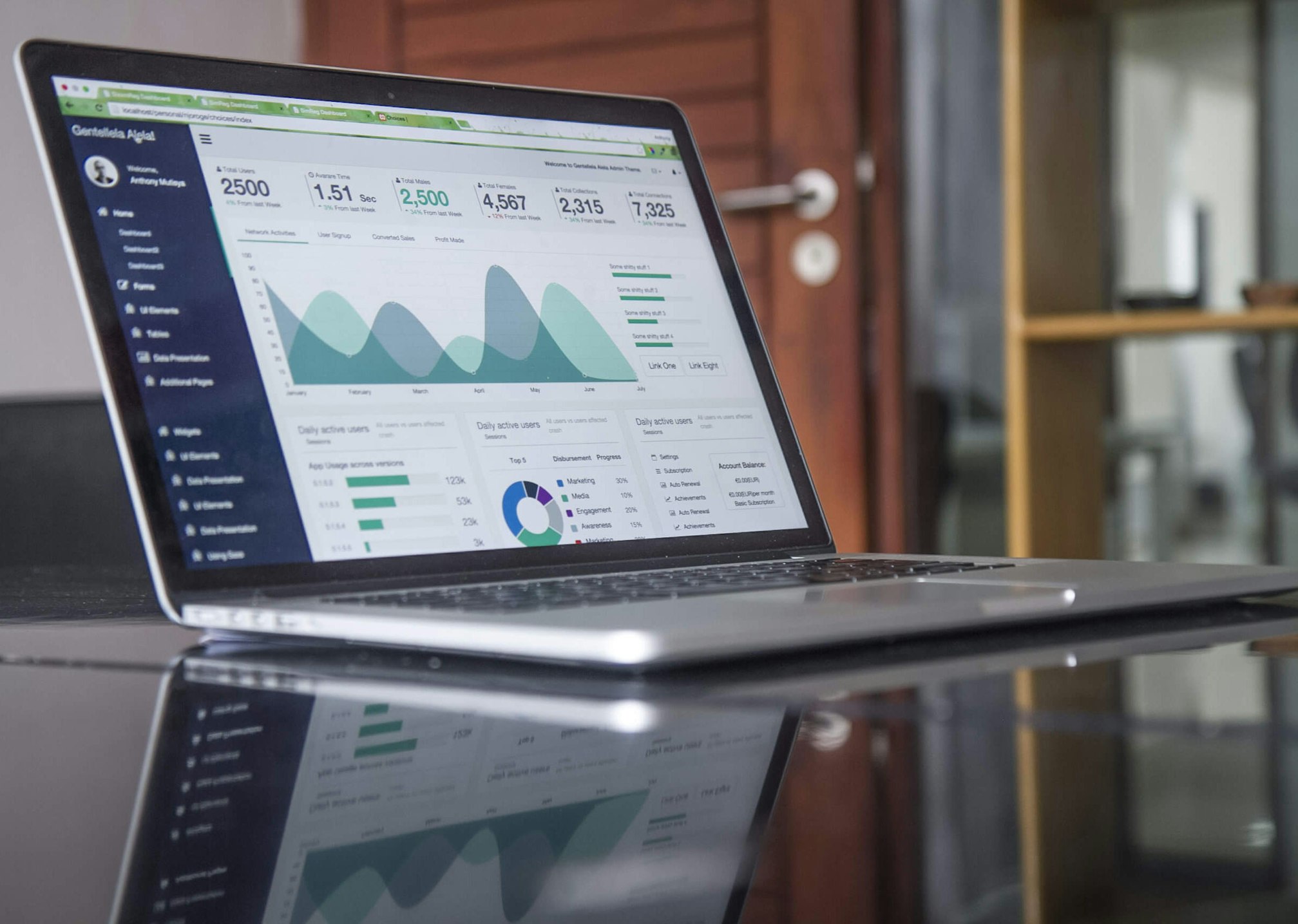
This guide ranks proxy providers by the difficulty level of what you're trying to scrape — because that's actually what matters.
The Target Difficulty Framework
Before picking a proxy, categorize your target:
Tier 1 — Unprotected: News sites, blogs, small e-commerce stores, public databases, government portals. No meaningful bot protection. Datacenter proxies work fine.
Tier 2 — Moderately Protected: Medium-size retailers, job boards, real estate sites, travel aggregators. Basic bot detection (rate limiting, IP reputation checks). Residential proxies recommended.
Tier 3 — Heavily Protected: Google, Amazon, LinkedIn, social media platforms, financial data providers. Enterprise-grade WAF + CAPTCHA + behavioral analysis. Residential proxies required; managed anti-detection (Web Unlocker) often necessary at scale.
The cost and complexity required increase with each tier. Use the cheapest option that works for your tier — paying for enterprise features on Tier 1 targets is wasted money.
Tier 1: Unprotected Targets
Best Proxy: DataImpulse (Budget) or Webshare (Free)
For unprotected targets, datacenter proxies are the right choice:
- 5–10x cheaper than residential per GB
- Faster (sub-100ms vs. 150–300ms for residential)
- No meaningful detection risk on unprotected sites
DataImpulse at ~$0.70–$1.50/GB is the best budget option for high-volume unprotected scraping. Pay-as-you-go, no minimum commitment.
Webshare (free tier) is the best starting point if you want to test your scraper logic before spending anything. 1 GB/month free, 10 datacenter IPs, no credit card.
Example use cases for Tier 1:
- News aggregation
- Blog content monitoring
- Public government data (courts, registries)
- Small e-commerce pricing data
→ Try DataImpulse through our link — `?aff=312345` is our affiliate code. Cheapest residential and datacenter pricing we've found at this quality level.
Tier 2: Moderately Protected Targets
Best Proxy: GeoNode (Residential)
For moderately protected targets, you need residential proxies. The target sites check IP type, reputation scores, or rate-limit based on ASN. Datacenter IPs trigger these defenses; residential IPs don't.
GeoNode is our top recommendation for Tier 2 scraping:
- 10M+ genuine residential IPs across 195+ countries
- $3–$5/GB — cheapest production-grade residential proxy
- 96–99% success rate on standard and moderately protected targets
- City-level geo-targeting for localized scraping
Category scores for Tier 2 scraping:
| Category | Score |
|---|---|
| Success Rate (Tier 2 targets) | 96/100 |
| Pricing & Value | 97/100 |
| Residential IP Quality | 97/100 |
| Geo-Targeting | 95/100 |
| Overall for Tier 2 | 96/100 |
→ Try GeoNode through our link — free plan available, no credit card. Our affiliate link (`?ref=22282`) must be used — navigating directly to geonode.com loses the tracking.
Example use cases for Tier 2:
- Medium e-commerce pricing intelligence
- Job postings aggregation
- Real estate listing data
- Travel fare monitoring
- General SERP scraping at moderate volume
Alternative for Tier 2: IPRoyal is a reliable second option at ~$7–$10/GB. If you're scraping EU-based targets specifically, IPRoyal's stronger European node density makes it a competitive choice.
Tier 3: Heavily Protected Targets
Best Proxy: Bright Data with Web Unlocker
For enterprise-protected targets — Google, Amazon, LinkedIn, Cloudflare-protected sites with enterprise WAF — raw residential proxies are necessary but often insufficient. You also need managed anti-detection:
- Automatic CAPTCHA solving
- Browser fingerprint randomization
- Request header management
- Retry logic with proxy rotation
Bright Data's Web Unlocker handles all of this automatically. You send a URL; Bright Data returns the page content after handling all anti-detection layers. Success rate: 98%+ on heavily protected targets including Amazon and LinkedIn.
Bright Data scores for Tier 3 scraping:
| Category | Score |
|---|---|
| Success Rate (Tier 3 targets) | 98/100 |
| Anti-Detection Tooling | 99/100 |
| IP Pool Diversity | 99/100 |
| Reliability | 99/100 |
| Pricing & Value | 76/100 |
| Overall for Tier 3 | 95/100 |
→ Start Bright Data free trial through our link — first deposit matched up to $500. Use our link, not the direct brightdata.com URL, for the deposit match to apply.
Example use cases for Tier 3:
- Google SERP scraping at high frequency
- Amazon product data at scale
- LinkedIn company/profile data
- Price intelligence from major retailers with enterprise bot protection
- Social media monitoring
Budget alternative for Tier 3: GeoNode works on some Tier 3 targets with a 75–85% success rate. For targets where you can tolerate 15–25% failure and retry, GeoNode's 3–5x lower cost may justify accepting the lower success rate.
The Full Comparison: Tier-by-Tier Recommendation
| Target Tier | Best Provider | Proxy Type | Approx. $/GB | Success Rate |
|---|---|---|---|---|
| Tier 1 (unprotected) | DataImpulse | Datacenter | $0.70–$1.50 | 99%+ |
| Tier 2 (moderate) | GeoNode | Residential | $3–$5 | 96–99% |
| Tier 2 (EU focus) | IPRoyal | Residential | $7–$10 | 95–99% |
| Tier 3 (enterprise) | Bright Data | Residential + Web Unlocker | $10.89 + $3/1k req | 98%+ |
Technical Setup: Proxy Configuration for Scraping
Rotating vs. Sticky Sessions
For web scraping (unlike traffic generation), you typically want rotating IPs — a fresh IP per request or per small batch of requests.
- Rotating: New IP per request. Maximizes IP diversity, minimizes IP reuse. Best for high-volume requests to the same domain.
- Sticky: Same IP for a session duration. Best when the target site uses session cookies (e-commerce sites where you need to maintain a shopping cart context across multiple pages).
For most scraping workloads, rotating is correct.
Request Rate and Politeness
Residential proxy success rates drop significantly if you hammer a target too aggressively. Basic rate limits:
- Tier 2 targets: No more than 1 request/second per domain from a single IP. With a rotating pool, 10–50 concurrent requests are manageable.
- Tier 3 targets: Follow Bright Data's recommended concurrency limits within Web Unlocker.
Randomize request timing (not exactly 1/second — add variance).
User-Agent Rotation
Even with residential IPs, consistent User-Agent strings are a detectable fingerprint. Rotate across realistic Chrome, Firefox, and Safari User-Agent strings that match the platform and version distribution of real users.
Geo-Targeting for Localized Data
If you're scraping localized content (prices in German, search results for Paris, job listings for Toronto), you need geo-targeted proxies. GeoNode and IPRoyal both support country and city-level targeting via the connection string.
Common Scraping Mistakes and How to Avoid Them
Using Datacenter Proxies on Tier 2/3 Targets
Already covered above. The consequence: your requests get blocked or CAPTCHA-walled. You pay for requests that return nothing useful. Upgrade to residential for Tier 2+ targets.
Not Rotating Fast Enough
Many scrapers reuse the same IP across hundreds of requests before rotating. Even residential IPs will get flagged if they make 500 requests to the same domain in an hour. Rotate more frequently — every 10–50 requests per domain is safer.
Ignoring Robots.txt
Beyond the proxy question, check whether the site explicitly prohibits scraping in their robots.txt and Terms of Service. Proxies don't change your legal exposure — they only affect detection risk.
Not Handling Pagination Correctly
Scraping session cookies across paginated results without proper session management is a common source of partial data. If you need to maintain session state (logged-in scraping, cart state, etc.), use sticky sessions.
Skipping the Test Phase
Always test a new scraper against your target with a small request count before scaling. Validate that:
- Your residential IP is passing the target's bot detection
- Your request format is returning the expected data structure
- The data is complete (not truncated by lazy loading or JavaScript rendering)
Platform-Specific Notes
Scraping Google Search Results
Google is one of the hardest Tier 3 targets. SERP data is valuable, which means Google's bot detection is aggressive. Options:
- Build your own Google scraper with GeoNode residential proxies: 93–97% success rate in our testing, requires careful rate limiting and User-Agent rotation.
- Use Bright Data's SERP API: Pre-built, structured JSON output, ~99% reliability, priced per 1,000 requests.
- Use Bright Data's Web Unlocker: Lower-level access for custom SERP extraction.
For SERP data at high volume or without building custom extraction logic, Bright Data's SERP API is worth the premium.
Scraping Amazon
Amazon has layered bot protection: IP reputation, browser fingerprinting, behavioral analysis, and CAPTCHA. Raw residential proxies (GeoNode, IPRoyal) work on Amazon at low-to-moderate frequency. At high frequency (>100 requests/hour per proxy zone), you'll hit blocks.
For Amazon at scale, Bright Data's Web Unlocker is the production solution.
Scraping LinkedIn
LinkedIn is among the most aggressively protected targets. Even residential proxies from reputable providers get blocked quickly at anything above very low request rates. Bright Data with Web Unlocker is essentially the only reliable solution for LinkedIn data extraction.
Provider Directory for Web Scraping
| Provider | Best For | Affiliate Link |
|---|---|---|
| DataImpulse | Budget Tier 1 scraping | Sign up |
| GeoNode | Tier 2 residential scraping | Sign up |
| IPRoyal | Tier 2 EU-focused scraping | Sign up |
| ProxyScrape | Mixed Tier 1/2 scraping | Sign up |
| Bright Data | Tier 3 enterprise scraping | Sign up |
Use our affiliate links to ensure tracking works — navigating directly to the provider URLs loses our commission.
Ready to try Bright Data?
The industry's most reliable proxy network — free trial & pay-as-you-go.
Try Bright Data →Related Proxy Reviews
Frequently Asked Questions
Do I need residential proxies for web scraping?
Depends on the target tier. Unprotected sites (Tier 1): no — datacenter is cheaper and faster. Moderately protected sites (Tier 2): yes — residential is required to avoid blocks. Heavily protected sites (Tier 3): residential + managed anti-detection.
What's the cheapest proxy for web scraping?
DataImpulse at ~$0.70–$1.50/GB is the cheapest option for datacenter/budget residential scraping. Webshare offers a free tier (1 GB/month datacenter). For production residential, GeoNode at $3–$5/GB is the cheapest production-grade option we've verified.
Can I scrape websites legally?
Legality depends on what you're scraping and how you're using the data. Public information is generally scrapable, but terms of service often prohibit automated access. Check the target site's ToS and robots.txt. For legal guidance, consult a lawyer in your jurisdiction.
What is the difference between rotating and sticky sessions for scraping?
Rotating assigns a new IP per request or per small batch — best for high-volume requests to the same domain. Sticky maintains the same IP for a session duration — best for scraping sites that require session cookies or logged-in state across multiple pages.
Can proxies make web scraping 100% reliable?
No. Proxies solve the IP detection problem. Sites also use browser fingerprinting, behavioral analysis, and CAPTCHA challenges. Complete anti-detection requires residential proxies + realistic browser fingerprints + human-like request patterns. Bright Data's Web Unlocker handles the full stack for Tier 3 targets.
Last updated: June 2026 | By Martin Freiwald
Frequently asked questions
Which proxy type suits web scraping?
Match it to target difficulty. Simple public pages work from datacenter IPs; sites with strong bot defences need residential exits, sticky sessions and careful pacing.
How do I test before committing?
Measure success rate on your own targets, not on a sample of easy pages, and watch how it changes as concurrency rises.
Is scraping the same as buying traffic?
No. Scraping extracts data from other sites; traffic services send visitors to yours. If you want visitors, Traffic Creator needs no proxy setup at all.
Skip the proxy layer entirely
GA4-visible traffic from 195+ countries, credits that never expire - start with 2,000 free visits, no credit card.
Start your free trial →